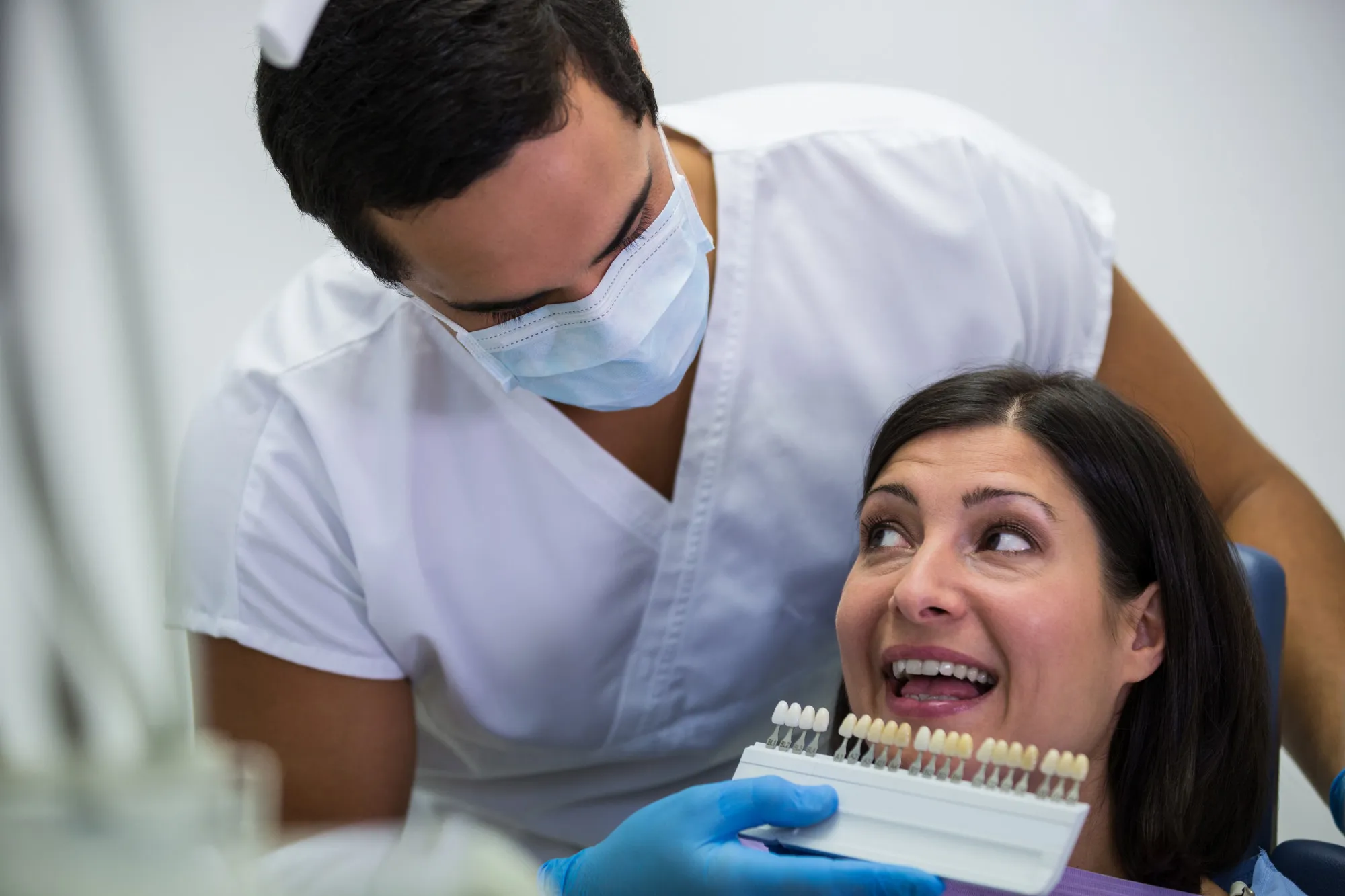
What is the difference between Orthodontic and Orthopedic? Many people hear the terms orthodontic and orthopedic dental care, but are not sure what they mean. Understanding the difference between Orthodontic and Orthopedic in Highlands helps patients know which treatment may be recommended for their dental needs. Both treatments help improve tooth alignment and oral health, but they work in different ways.
Dentists often use these treatments to guide teeth and jaw development, especially in growing children. When provided at the right time, they can improve bite alignment, chewing ability, and overall dental health.
What is Orthodontic Dental Treatment?
Orthodontic care focuses on correcting the position of teeth. Treatments move teeth into better alignment to improve the way they function and look.
Common orthodontic treatments include:
- Braces
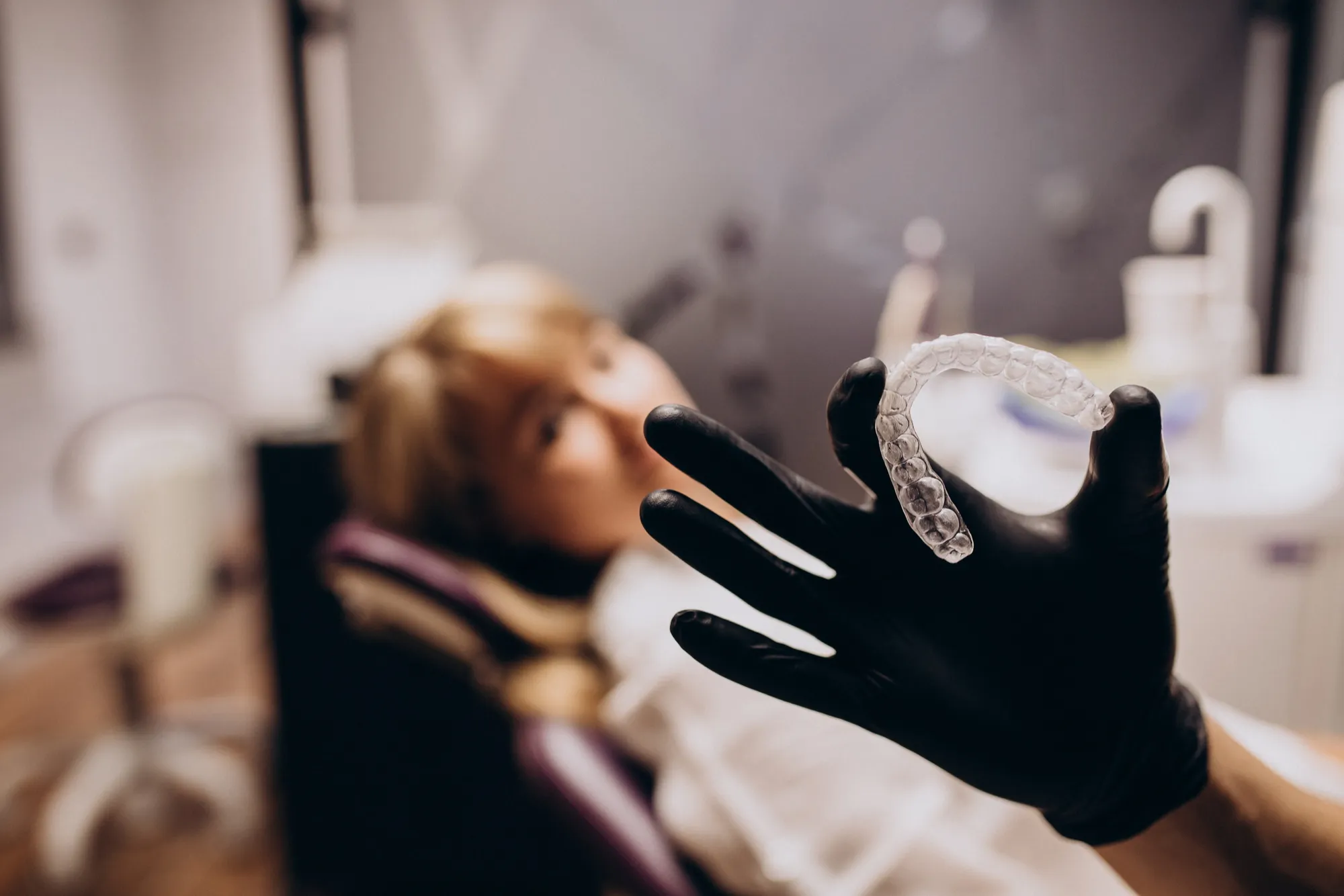
- Clear aligners
- Retainers
- Space maintainers
Orthodontic care is commonly used to treat issues such as:
- Crooked teeth
- Gaps between teeth
- Overcrowding
- Bite problems
A dentist in Highlands may recommend orthodontic treatment for patients of many ages, including teens and adults.
What is Orthopedic Dental Treatment?
Orthopedic dental treatment focuses on guiding the growth of the jaw. Unlike orthodontics, which moves teeth, orthopedic care influences how the upper and lower jaws develop.
Orthopedic treatments are usually recommended for children because their bones are still growing. Early treatment can help guide jaw growth and prevent severe bite problems later.
Orthopedic appliances may help correct:
- Jaw size differences
- Overbite or underbite
- Improper jaw positioning
- Facial growth concerns
These treatments often work best before a child’s growth is complete.
Orthodontic vs Orthopedic Dental Care for Jaw Alignment
Understanding the difference between orthodontic and orthopedic dental treatments for jaw alignment helps explain how each treatment supports proper bite function.
Orthodontic treatment mainly focuses on the teeth, while orthopedic treatment focuses on the jaw structure.
Key differences include:
- Orthodontics moves teeth into the correct position.
- Orthopedics guides jaw growth and development.
- Orthodontics can be used at many ages.
- Orthopedic care works best during childhood growth.
In some cases, both treatments may be recommended together to achieve the best results.
Types of Orthopedic Dental Appliances
Children who receive care for Orthodontic and Orthopedic near you may use special appliances designed to guide jaw growth.
Examples of orthopedic devices include:
- Palatal expanders to widen the upper jaw.
- Headgear to guide jaw development
- Functional appliances that improve bite alignment
- Space maintainers for proper tooth spacing
These devices help create enough space for teeth to grow properly and improve bite balance.
When Are Orthodontic Treatments Recommended?
Orthodontic treatments are usually recommended once most permanent teeth have erupted.
Patients may need orthodontic care if they experience:
- Crooked or crowded teeth
- Difficulty chewing or biting
- Teeth that stick out too far
- Speech problems caused by alignment issues
An evaluation for Orthodontic and Orthopedic in Highlands can help determine the right treatment approach for each patient.
Orthodontic vs Orthopedic Treatments Comparison
| Feature | Orthodontic Treatment | Orthopedic Treatment |
| Main Focus | Moving teeth | Guiding jaw growth |
| Best Age | Teens and adults | Children with growing jaws |
| Common Tools | Braces, aligners | Expanders, headgear |
| Goal | Straight teeth | Balanced jaw alignment |
Both treatments help improve bite function and dental health.
Benefits of Early Orthopedic Care
Early treatment can make a big difference in a child’s dental development.
Benefits include:
- Better jaw alignment as the child grows
- Reduced risk of severe bite problems
- More space for permanent teeth
- Improved facial balance
- Lower chance of complex orthodontic treatment later
Early evaluation at a dental clinic near you can help detect jaw growth concerns before they become more serious.
Can Orthodontic and Orthopedic Treatments Work Together?
In many cases, dentists use both treatments together to get the best results. Orthopedic treatment may start first to guide the growth of the jaw. After the jaw is in the right position, orthodontic treatment helps move the teeth into the correct place.
This combined approach helps create:
- A proper bite alignment
- Balanced jaw structure
- Straight and healthy teeth
Dentists often monitor growth carefully to determine the best timing for each stage of treatment.
Signs That Treatment May Be Needed
Parents or patients may notice signs that suggest orthodontic or orthopedic care could help.
These signs include:
- Early or late loss of baby teeth
- Difficulty chewing or biting
- Teeth that appear crowded or spaced widely
- Jaw clicking or shifting.
- Uneven bite alignment
A dental evaluation can determine whether orthodontic or orthopedic treatment is appropriate.
Achieve Better Alignment with the Right Dental Care!
Orthodontic and orthopedic treatments both play an important role in improving dental alignment and jaw development. Choosing the right treatment at the right time can lead to a healthier bite and a more confident smile. Schedule a consultation with Highlands Dental Centre today to learn which treatment option is right for you.
Get Directions to Highlands Dental Centre for Orthodontic and Orthopedic Treatment in Highlands
FAQs
What is the main difference between orthodontic and orthopedic dental treatments?
Orthodontic treatment focuses on straightening teeth, while orthopedic treatment guides the growth and position of the jaw.
At what age are orthopedic dental treatments most effective?
Orthopedic treatments work best in children while their jaw bones are still growing, usually between ages 7 and 12.
Can orthodontic and orthopedic treatments be combined?
Yes. Dentists often combine both treatments to improve jaw alignment and straighten teeth.
How long do orthodontic or orthopedic treatments usually last?
Treatment time varies depending on the patient’s needs. Orthopedic treatment may take several months, while orthodontic care often lasts one to two years.