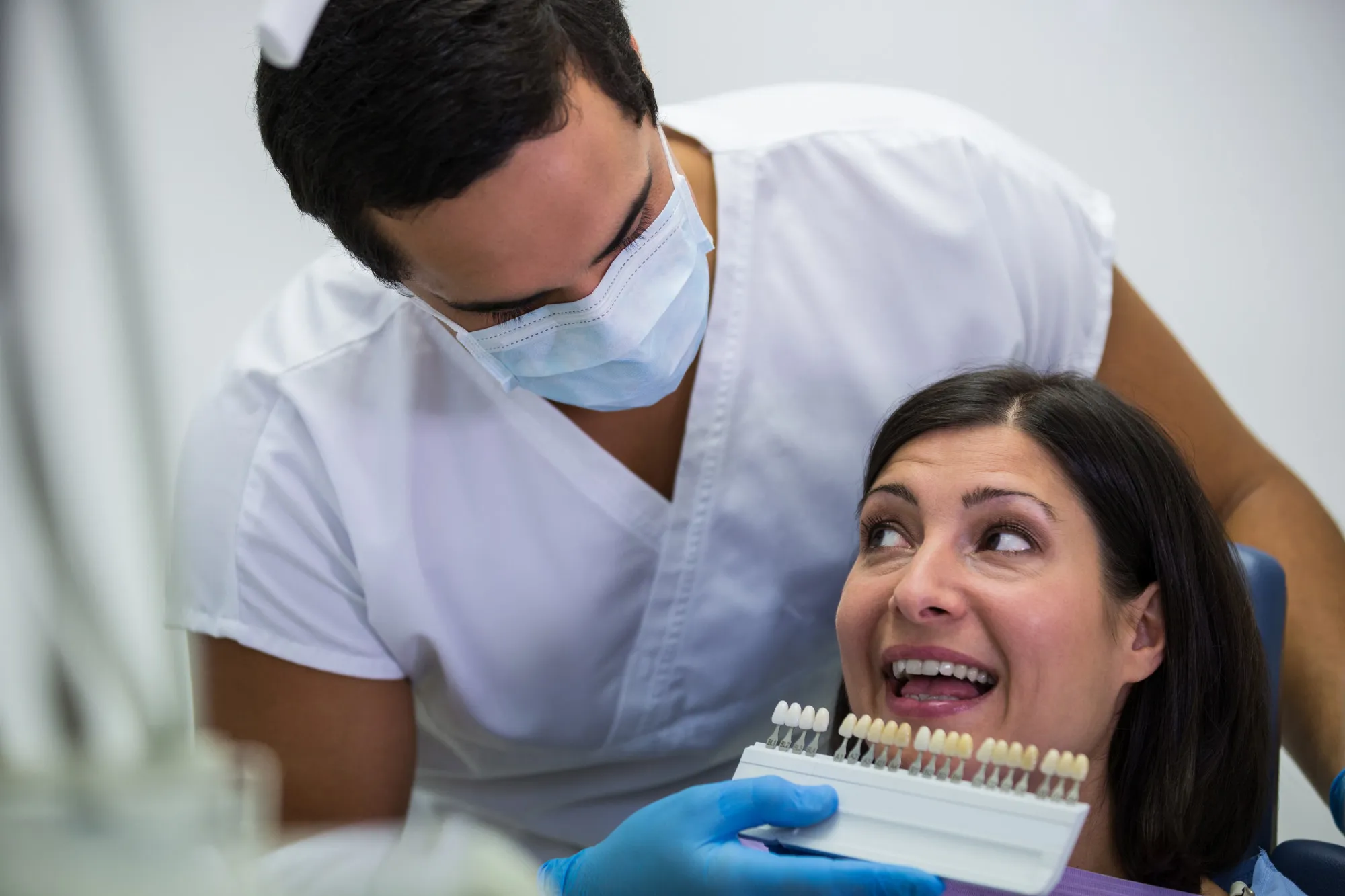
Taking care of your teeth is about more than just brushing and flossing at home. It is very important to have a professional look at what is happening inside your mouth.
Many dental problems start quietly and don’t hurt at all until they become a big deal. This is why a regular check-up is so helpful for your health. By getting a professional exam, you can find small issues before they turn into expensive and painful emergencies.
A deep look at your teeth and gums helps your dental team keep your smile strong and your breath fresh. It is the best way to make sure your natural teeth stay healthy for your whole life.
Finding Cavities Before They Start to Hurt
The most common problem found during a check-up is a weak spot in the tooth. A dentist is trained to find the early signs of tooth decay during dental diagnosis, even if you feel no pain at all.
They use bright lights and tiny mirrors to look for soft areas where germs are starting to hide.
- White Spots: These show where the tooth is losing its strength.
- Sticky Spots: Dentists use a small tool to feel for “stickiness” in the grooves of your teeth.
- Hidden Shadows: Dark areas between the teeth can mean a cavity is growing where you can’t see it.
Checking Your Gums for Infection
Your gums are like the soil that holds your teeth in place, so keeping them healthy is a top priority. A comprehensive dental diagnosis for gum disease detection involves measuring the tiny gaps between your teeth and gums.
If these gaps are too deep, it usually means bacteria have started an infection. Catching this early stops your gums from pulling away and keeps your teeth from getting loose.
Using Pictures to See Under the Surface
Sometimes, the biggest problems are hidden under the bone or inside an old filling.
Getting a dental diagnosis in the Highlands often includes using digital X-rays to see what the eye cannot. These pictures let the dentist look at the roots of your teeth and your jawbone.
It is a very important step to make sure there are no hidden infections that could cause a surprise toothache later on.
What We Look for During an Exam
| Problem Found | How We See It | Why It Matters |
| Cracked Teeth | Using bright lights | Stops the tooth from splitting |
| Old Fillings | Looking for wear | Prevents germs from leaking inside |
| Mouth Health | Checking tongue and cheeks | Catching serious illnesses early |
| Your Bite | Seeing how teeth touch | Prevents jaw pain and headaches |
Why Seeing a Local Professional Helps
Finding a trusted dentist in Highlands means you have a partner who knows your history.
During a visit, the dentist doesn’t just look at one tooth; they look at how your whole mouth works.
They check for signs of teeth grinding, which can flatten your teeth, and they look for any unusual spots on your tongue. This full-mouth approach makes sure you are protected from every angle.
Getting a Check-Up Nearby
If it has been a while since your last visit, it is a smart move to look for a dental clinic near you to see how your teeth are doing. Many people wait until they are in pain to see a dentist, but by then, the problem is much harder to fix.
A quick visit every six months lets the team clean away hard tartar that you can’t brush off at home, which is the main cause of most dental issues.
Checking on Your Old Dental Work
Nothing in your mouth lasts forever, even silver fillings or caps. A dental diagnosis near you helps the team check the “seals” on your old fillings.
Over time, these seals can break, letting sugar and germs get underneath. If caught early, a dentist can just put in a new filling. If you wait, the decay can reach the nerve and lead to much bigger problems.
Looking for Signs of Teeth Grinding
Many people clench their teeth while they sleep without even knowing it. During an exam, the dentist looks for “wear facets,” which are flat, shiny spots on your teeth. These are clear signs of too much pressure.
By finding this early, the dentist can suggest a custom night guard. This simple tool protects your enamel from cracking and stops your jaw muscles from being sore in the morning.
Keeping Your Smile Healthy for Life
Checking in on your oral health is the smartest thing you can do for your body. By finding common problems before they become major hurdles, you make sure your smile stays bright and your health stays on track.
Our team is here to give you a clear and easy explanation of everything we find, so you always feel in control of your care. Being proactive is the secret to a happy, pain-free life.
At Highlands Dental Centre, we are excited to help you and your family get the best dental health possible with a gentle and thorough approach.
Is it time for your next check-up or a professional exam? Contact Highlands Dental Centre today to book your visit and keep your smile healthy and strong!
Get directions to Highlands Dental Centre in Highlands for comprehensive dental exams that detect problems early and help keep your smile healthy for years to come.
Frequently Asked Questions
Why do I need an exam if my teeth don’t hurt?
Most problems, like cavities and gum disease, don’t cause pain until they are very deep and much harder to treat.
Are dental X-rays really needed every year?
X-rays show the dentist what is happening between teeth and under the gums where cavities like to hide, making them a key part of the exam.
How long does a full dental exam take?
A thorough check-up usually takes about 30 to 45 minutes, depending on if you need X-rays or a cleaning at the same time.
Can a dentist see other health problems in my mouth?
Yes, issues like heart disease or diabetes often show up as redness or swelling in the mouth before you feel them anywhere else.